


Best Seats for Football Matches Explained
10 June 2026
A last-minute ticket can still turn into a great matchday - if you know what kind of seat actually fits the experience you want. The best seats for football matches are not always the most expensive ones, and they are rarely the same for every fan. Your ideal section depends on whether you care most about tactical view, crowd energy, comfort, or getting as close to the action as possible.
Football stadiums reward smart seat selection. A lower-row seat near the corner flag gives you a very different experience from a mid-tier seat at the halfway line, even if the ticket prices are close. If you are traveling for a major fixture or buying from a resale marketplace because primary inventory is limited, understanding those differences matters even more.
What makes the best seats for football matches?
The short answer is angle, height, and purpose. The best seat for watching patterns of play is usually not pitchside. The best seat for feeling the stadium shake after a goal is usually not in a quiet hospitality block. And the best value seat is often one tier higher than buyers first assume.
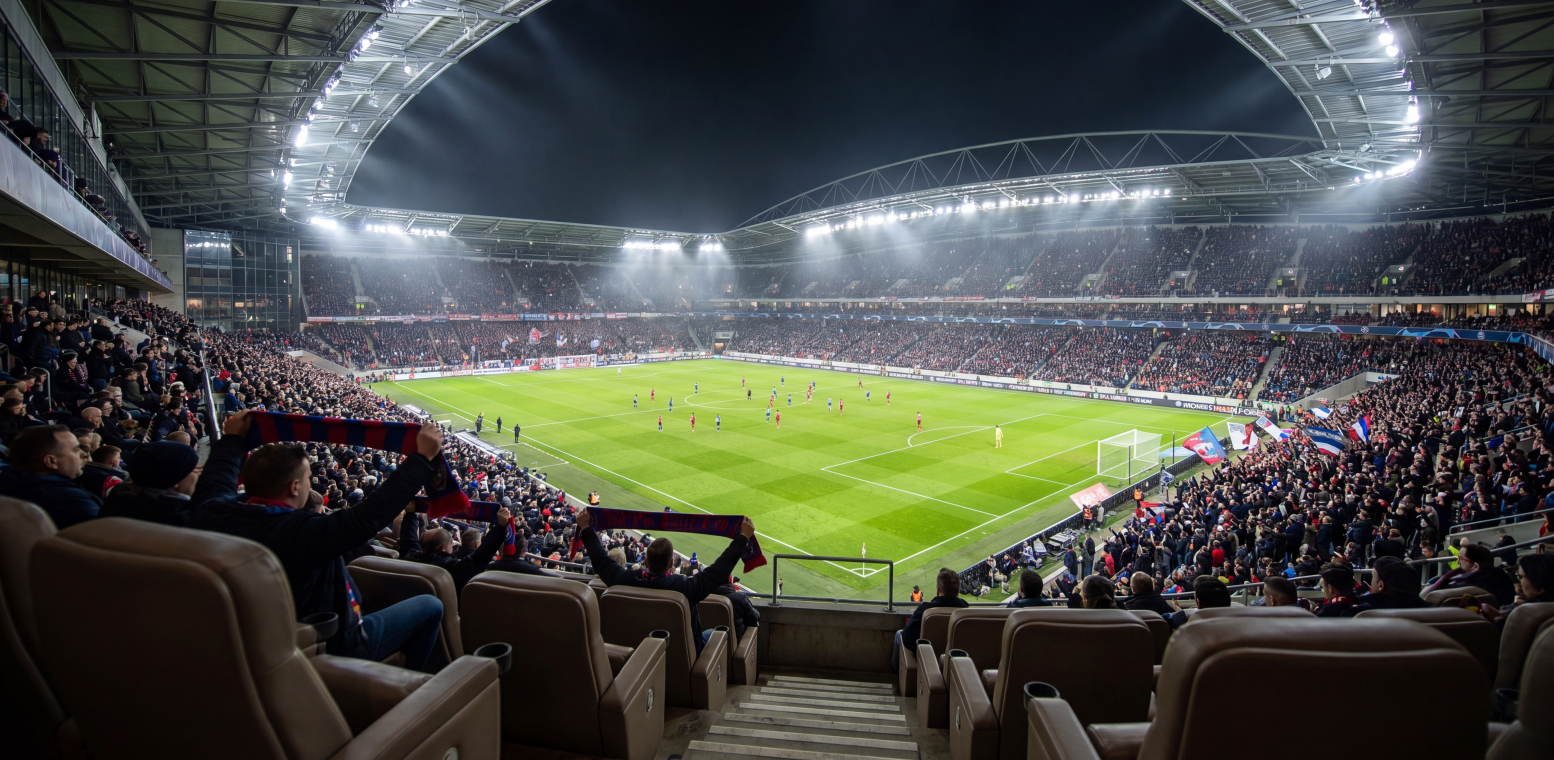
At most football stadiums, the most balanced view comes from somewhere near the halfway line with enough elevation to see shape, spacing, and movement off the ball. That is why central seats in the main stand or upper lower-tier sections are often priced at a premium. You can follow the full match rather than just the moment around the ball.
But football is not only about clean sightlines. Some fans want to hear every chant, stand for most of the match, and be part of the emotional force behind the team. In that case, the "best" seat may be behind the goal in or near the home end, where atmosphere often outweighs perfect viewing angles.
If you want the best overall view
For most buyers, the safest choice is a seat near the halfway line, ideally a few rows back rather than right at the front. This area gives you the clearest read on tactics, pressing shape, and transitions. You are not constantly turning your head, and you can judge distance and movement more naturally.
A common mistake is assuming the front row of a premium section is automatically better. In football, being too low can flatten your view. Players look larger, but the game becomes harder to read, especially when action switches quickly from one side to the other. A little elevation usually improves the experience.
The sweet spot in many stadiums is lower tier or club level around the middle third of the pitch, roughly 10 to 25 rows up depending on stadium design. In some venues, the first rows of the upper tier can be excellent too. They offer a wider tactical picture and sometimes better value than lower-tier central seats.
Best for first-time visitors
If it is your first visit to a stadium, central sideline seating is the least risky option. You get the full scale of the venue, a clear sense of the crowd around you, and a view that works well no matter how the match unfolds. It is the easiest seat type to recommend when the goal is confidence rather than guesswork.
If you want the best atmosphere
Behind the goal is where many of the loudest and most memorable matchday moments happen. In home supporter sections, you are closer to the songs, flags, tension, and release that define big football nights. If the team scores at your end, the celebration can feel immediate and unforgettable.
There is a trade-off. The view is less balanced, especially at the far end of the field. You will miss some tactical detail, and depending on the section, standing may be common for long stretches. For some fans, that is exactly the point. For others, especially if they are bringing family or want a more relaxed experience, it may not be ideal.
If atmosphere matters but you still want a decent view, look for seats slightly off-center behind the goal or in the corner between the end stand and sideline. Those sections often give you a strong sense of crowd energy without giving up as much visibility.
If you want to be close to the players
Seats near the pitch can feel special for obvious reasons. You are close enough to hear the impact of tackles, see player reactions, and appreciate the speed of the game in a way television never shows. For warmups, substitutions, and touchline moments, lower-row seats can be excellent.
The compromise is perspective. When the ball is at the opposite end, you lose detail fast. Even nearby action can become harder to interpret because your view is so flat. For buyers focused on the overall match, proximity can be overrated. For buyers chasing intensity and presence, it can be exactly right.
This is where purpose matters. If attending the event is partly about the occasion, the photos, and the feeling of being there, lower sections may justify the premium. If you care more about following all 90 minutes cleanly, move back or higher.
If you want the best value
The best value seats for football matches are often in the corners or in the first few rows of the upper tier. These sections usually cost less than central sideline seats but still provide strong sightlines. You get enough elevation to track the game properly and enough angle to see both boxes without major obstruction.
Corners are especially underrated. You can watch attacking patterns develop from a useful angle, and if the stadium is compact, you still feel close to the crowd and action. Prices can be materially lower than comparable seats on the sideline, which makes them a smart option for high-demand fixtures.
Upper-tier seats also deserve more credit than they get. At modern stadiums, they are often steep enough to keep you visually connected to the field. If the alternative is paying far more for a low, awkward seat in a central block, the upper tier may be the better purchase.
When premium pricing is worth it
Some matches justify spending more. A derby, knockout tie , title race fixture, or once-in-a-lifetime stadium visit may call for a seat you would normally skip. In those cases, paying extra for a proven viewing area can reduce uncertainty. If availability is tight, it is often better to secure a strong seat category quickly than to wait for the perfect listing and miss out.
Stadium factors that change everything
Not all stadiums reward the same strategy. Older grounds can have support pillars, tighter legroom, unusual rake, or sections where front-row barriers interrupt the view. Newer venues often offer cleaner sightlines across more sections, but that does not mean every block performs equally.
Weather also matters more than many buyers expect. In open or partially covered stadiums, a high or exposed seat can feel very different in rain or wind. For winter fixtures, comfort may become part of the value equation, especially if you are traveling and do not want the experience shaped by the elements.
Local fan culture matters too. Some sections are animated but manageable. Others are full-voice, full-match environments better suited to fans who actively want that intensity. If you are attending with children, clients, or casual travelers, choosing a seat based only on price can backfire.
How to choose the right seat before you buy
Start with one question: what is your priority on the day? If it is pure football viewing, target midfield with moderate elevation. If it is atmosphere, go behind the goal or near active home support. If it is value, look at corners and upper-tier sidelines. If it is access to a sold-out match and options are limited, focus on avoiding obvious weak spots rather than chasing an ideal that may no longer be available.
It also helps to read seat listings carefully. Row number, tier, side of the pitch, and whether the section is home or away adjacent all shape the experience. Transparent listing details matter because a ticket described only as "lower level" says very little about the real view.
On a trusted marketplace such as Seatpin, the practical advantage is range. When inventory comes from multiple sellers, buyers can compare sections instead of settling for whatever remains in a single release. That makes seat selection less about luck and more about fit, especially for major football matches where availability moves quickly.
The best seat is the one that matches the match you are attending and the kind of day you want to have. A Champions League night, a domestic rivalry, and a family-friendly league fixture do not ask for the same choice. Buy for the experience, not just the section name, and you will usually make the right call.