

Formula 1 Race Tickets: What to Know
26 May 2026
The difference between a great Grand Prix weekend and a frustrating one usually starts long before the lights go out. Formula 1 race tickets can disappear fast, prices can shift quickly, and the best option is not always the first one you see. If you are planning around travel, budget, and seat location, a little clarity early on can save you money and stress later.
For most buyers, the challenge is not deciding whether to go. It is figuring out which ticket actually fits the experience they want. Some fans want a packed grandstand at the start-finish straight. Others care more about overtaking zones, a lower entry price, or simply getting into a sold-out event after official inventory is gone. Those are different goals, and they should lead to different buying decisions.
How formula 1 race tickets usually work
Formula 1 ticketing looks simple from a distance, but the details matter. Most events sell access by ticket type, viewing area, and day. You will usually see general admission, reserved grandstand seats, and premium hospitality packages, with single-day and multi-day options depending on the race.
General admission is often the lowest-cost way in, but it comes with trade-offs. You may need to arrive early to claim a strong viewing spot, and sightlines can vary a lot by circuit. At some tracks, general admission gives a lively, flexible weekend. At others, it can mean long walks, crowded banks, and limited visibility if you are not in place early.
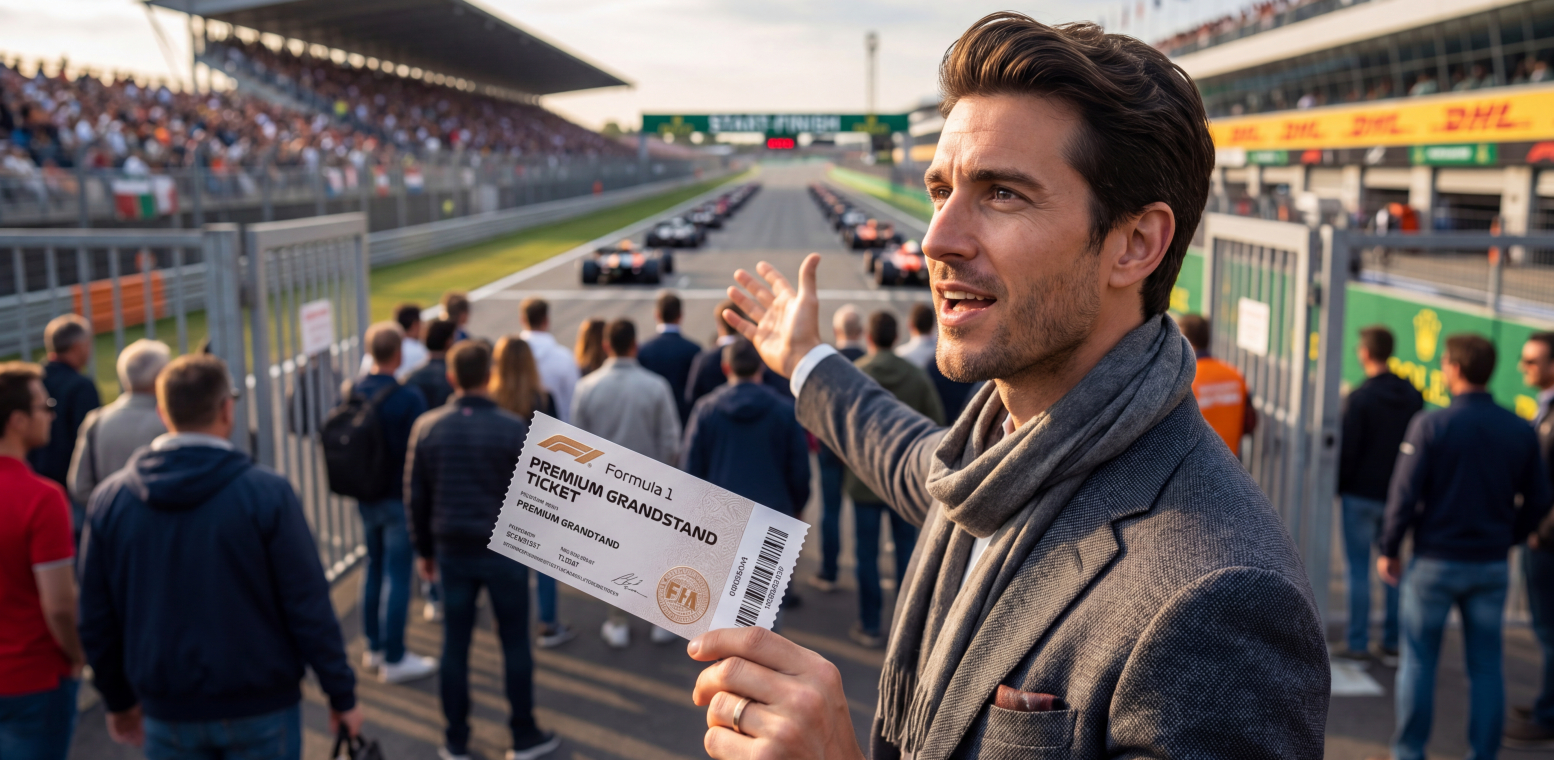
Grandstand tickets are more predictable. You know your section, your row, and usually the corner or straight you are paying to watch. That certainty matters when you are traveling for the event or buying for a group. The higher price often reflects not just the seat itself, but the reduced uncertainty.
Hospitality sits at the premium end of the market. For some buyers, it is a luxury. For others, especially corporate travelers or fans making one major F1 trip, it is the simplest way to secure comfort, better amenities, and a more controlled race-day experience.
When to buy formula 1 race tickets
Timing shapes both availability and price. If you are targeting one of the most in-demand races on the calendar, waiting can reduce your options quickly. Popular events often sell strongly because they combine racing with destination travel, limited local capacity, or a reputation for atmosphere.
That said, earlier is not always cheaper in every scenario. Primary sales can offer face-value inventory, but those windows are limited and often highly competitive. Once official stock tightens, resale marketplace listings become a practical route for buyers who still want access. Prices there can move up or down based on demand, ticket type, and how close the event is.
If your dates are fixed and flights are already booked, certainty usually matters more than holding out for the perfect deal. If you are flexible on circuit, day, or seating area, you have more room to compare listings and make a value-based choice rather than a rushed one.
Choosing the right seat for the race you want to watch
Not every good seat is the most expensive seat. In Formula 1, the best viewing area depends on what you care about most.
If you want the drama of lights out, pit activity, and the podium atmosphere, the main straight is the obvious choice. It usually carries a premium, and rightly so. You get the start, pre-race buildup, and a sense of event scale that many fans want at least once.
If you care more about racing action, braking zones and technical corners can offer better value. That is where you are more likely to see overtakes, late moves, and driver errors. A seat at the end of a long straight may deliver more on-track tension than a pricier seat with a broad but less active view.
If budget is the deciding factor, compare upper and lower rows within the same stand. Higher rows often improve visibility, but that is not universal. Some lower rows give a stronger sense of speed and sound. The right answer depends on whether you value a wider view of the track or a more immersive close-up feel.
What affects ticket prices
A few factors drive price more than anything else. First is race demand. Destination events, iconic circuits, and weekends with strong tourism appeal usually command more. Second is seat quality. Covered seats, central grandstands, and sections near key action points tend to sit higher.
Third is availability. As inventory tightens, prices can rise, especially for reserved seats and premium packages. But price movement is not always one-way. Sellers may adjust closer to the event if they want to move remaining inventory. That can create opportunities, but it also adds risk if you are set on a specific section or traveling internationally.
This is where transparent pricing matters. The cheapest listing on first glance is not always the best value if fees, unclear seating details, or weak order support create uncertainty. Buyers are not just paying for entry. They are paying for confidence that the ticket is valid, delivered correctly, and backed if something goes wrong.
Primary sales vs resale marketplace options
Many F1 fans start with official sales, and that makes sense. If you can secure the exact ticket you want at release, that is often a straightforward outcome. The problem is access. High-demand races can sell out quickly, and official channels do not always leave late planners many options.
That is where a resale marketplace becomes relevant. It gives buyers access to seller-listed inventory after primary stock is limited or gone. For sold-out weekends, premium sections, or last-minute plans, that broader access can make the difference between attending and missing the race entirely.
The key is choosing a marketplace that is clear about pricing, order protection, and support. Formula 1 trips are rarely small purchases once flights and hotels are involved. A secure transaction process, ticket checks, and a stated guarantee matter because the cost of a problem is bigger than the ticket alone.
For buyers who value speed and certainty, a trusted marketplace model is often the practical choice. Seatpin fits that need by offering access to seller-listed inventory for high-demand live events, along with transparent pricing communication, security checks, customer support, and a 100% order guarantee.
Common mistakes buyers make
The first mistake is treating every ticket as interchangeable. Two grandstand listings at the same race can deliver very different experiences depending on section, angle, elevation, and screen visibility. If the seat details are vague, that should slow you down.
The second mistake is underestimating logistics. A cheaper ticket can stop being cheaper if it creates harder transport, longer walks, or poor timing with your travel plans. This matters even more for races held outside city centers, where entry and exit can take time.
The third mistake is waiting too long for a perfect price. Sometimes patience pays off. Sometimes it leaves you choosing between weaker seats at a higher price. If the race is a must-attend event, your decision should be based on acceptable value, not unrealistic best-case timing.
How to buy with more confidence
Start with your non-negotiables. Decide whether your priority is price, section, race day, or premium access. Once you know which variable matters most, the rest of the search gets easier.
Next, look closely at what is actually being sold. Check whether the ticket is for a single day or full weekend, whether the seat is reserved or open access, and whether the listing gives enough detail to judge its value. Clear information is not a bonus. It is part of the product.
Then think beyond the ticket itself. If you are traveling for the event, reliability should carry real weight. A supported purchase with strong order protection can be worth more than a small upfront saving from a less dependable source.
The best ticket is the one that matches your weekend
There is no single best way to buy formula 1 race tickets because there is no single type of F1 fan. Some buyers want the lowest barrier to entry. Some want one unforgettable premium weekend. Others just need a secure route into a race that looked out of reach a week earlier.
The smart move is to match the ticket to your plan, not to someone else’s highlight reel. When availability is tight and the event matters, clarity, protection, and realistic expectations usually beat chasing a perfect deal. Buy the ticket that lets you focus on the race, the trip, and the reason you wanted to be there in the first place.