


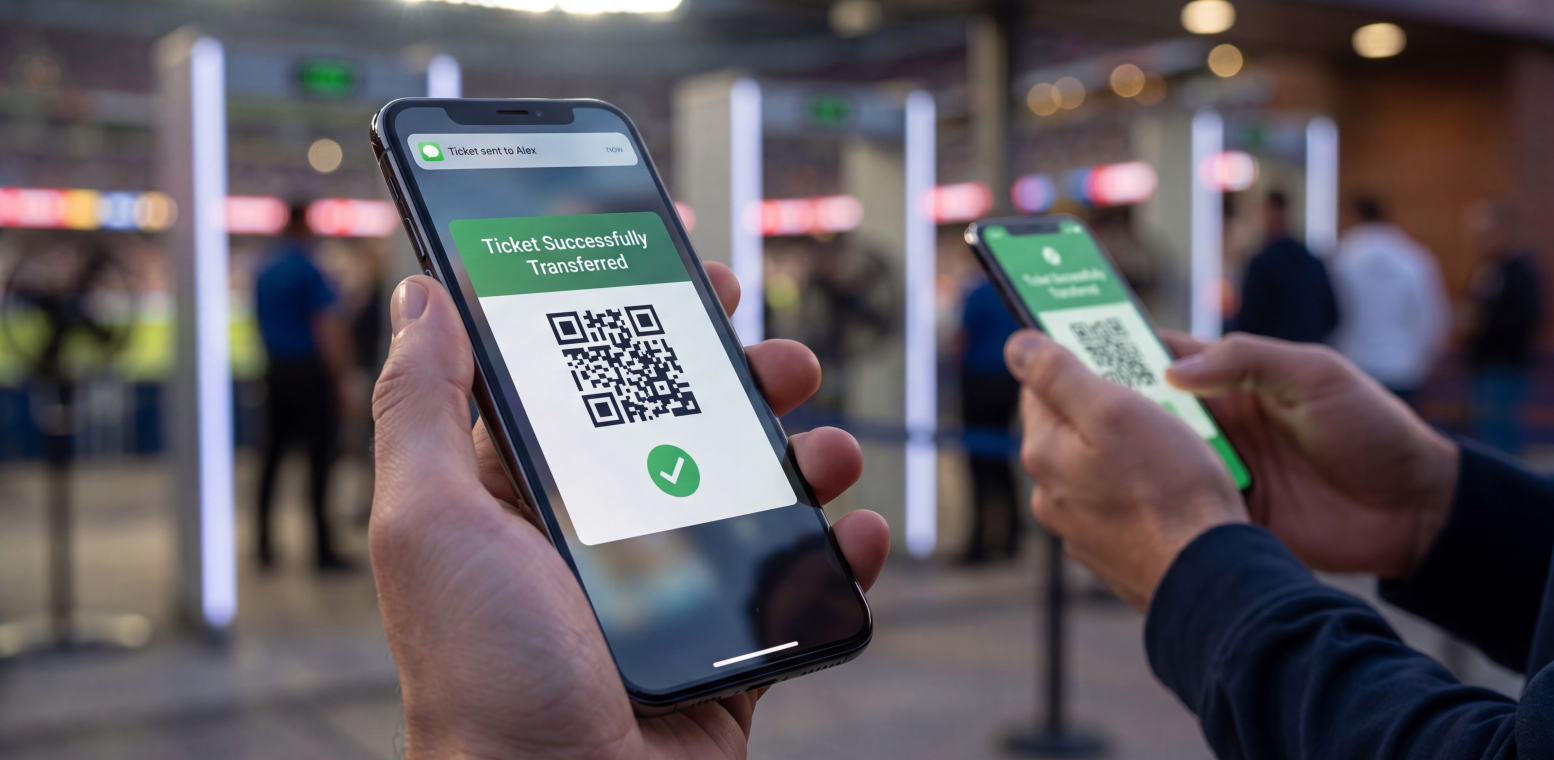
How Mobile Ticket Transfer Works
08 June 2026
You bought tickets for a match or concert, the order is confirmed, and then you see the words mobile transfer. For many buyers, that is the moment the real question starts - how mobile ticket transfer works, when the tickets actually show up, and what you need to do before event day.
The short answer is that mobile ticket transfer is a digital delivery process where the seller sends tickets from the original ticketing account to the buyer, usually through the venue, team, artist, or primary ticket provider's app or account system. It is now one of the most common delivery methods for major sports and live music events because it gives venues more control over entry and reduces the risk of duplicate or invalid tickets being used.
What matters most for buyers is that mobile transfer is not a screenshot and not a PDF in most cases. It is usually an account-to-account transfer that places the ticket directly into the recipient's mobile wallet, event app, or ticketing account.
How mobile ticket transfer works in practice
In a typical transfer, the seller already has the tickets in the official ticketing platform for that event. Once the order is ready to be delivered, the seller initiates a transfer using the buyer's email address or mobile number, depending on the platform's rules.
The buyer then receives a transfer invitation. That invitation usually asks them to sign in, create an account, or accept the tickets through the designated app or ticket provider. After acceptance, the tickets appear in the buyer's account and can usually be managed from there until the event starts.
This sounds simple, but the exact path depends on the event. A Premier League match may use one club-specific app, while a major concert may rely on a global ticketing platform. Formula 1, tennis, and arena events can all have their own delivery rules. The transfer process is similar across platforms, but the timing, app requirements, and acceptance steps can differ.
Why venues use mobile transfer
Venues and organizers have moved toward mobile-first ticketing for practical reasons. A digital transfer creates a clearer chain of custody than a paper ticket or printable barcode. It also lets organizers refresh barcodes, limit screenshots, and control when tickets become active.
That added control helps protect entry, but it also means buyers need to pay attention to instructions. If an event requires a specific app, account registration, or phone-based access, showing up with an email confirmation alone may not be enough.
This is one reason trusted marketplaces matter. When tickets are sold on the secondary market, buyers want clarity about what kind of delivery they are receiving and what steps come next. Good communication reduces last-minute confusion.
What buyers need before accepting a transfer
The most common issue is not fraud. It is mismatch. The buyer uses the wrong email, the wrong app, or waits too long to accept the transfer.
Before the seller sends anything, the buyer should make sure the contact details on the order are correct. The email address matters because many ticketing systems will only transfer to the exact address entered. If the event uses a specific app, download it early and set up the account with the same email used for the order whenever possible.
It also helps to check whether the event restricts ticket forwarding close to game day or show day. Some organizers delay ticket release until 24 to 72 hours before the event. That delay can feel stressful, especially for travel-heavy events, but it is often a normal part of the mobile delivery setup.
When mobile tickets are delivered
One of the biggest misunderstandings around how mobile ticket transfer works is timing. Buyers often assume that once they place an order, the tickets should appear immediately. Sometimes that happens. Often it does not.
Sellers can only transfer tickets after they receive them from the original issuer and after transfer is enabled. For high-demand sports fixtures and major concerts, transfer may open only shortly before the event. In some cases, the seller has the tickets but cannot send them until the venue or primary ticket provider activates the transfer function.
That means a later delivery window is not automatically a red flag. It may simply reflect the event's own release schedule. What matters is whether the marketplace clearly communicates expected timing and provides support if the transfer does not arrive as promised.
How acceptance works after the transfer is sent
Once the seller sends the tickets, the buyer usually receives an email or text with instructions to accept them. Some platforms require a login, while others prompt the buyer to create an account first. After that, the tickets move into the buyer's account and are usually no longer accessible to the seller.
That handoff is one of the strongest parts of mobile transfer. It creates direct possession in the buyer's own ticketing account rather than relying on a forwarded image or a shared login. For many events, that is the preferred way to receive resale tickets.
Still, it depends on the platform. Some events are non-transferable, and others use restricted delivery methods that require different handling. Buyers should never assume every mobile ticket works the same way.
Common problems with mobile ticket transfer
Most transfer issues are fixable, but they are easier to solve if caught early.
If the transfer email does not appear, the first step is to check spam and junk folders. If nothing is there, confirm the email address on the order and verify which ticketing platform the event uses. Sometimes buyers are looking in the wrong app or trying to sign in with a different email from the one the seller used.
Another common issue is accepting the transfer on one device but trying to view the ticket on another without the same login. This matters on event day, especially for buyers who switch between work and personal phones or between email accounts.
There is also the matter of mobile connectivity. Some venues have poor reception when crowds arrive. It is smart to sign in and access the tickets before reaching the gate. If the platform allows adding tickets to a mobile wallet, do that in advance.
What sellers are responsible for
From the seller side, mobile transfer is more than just clicking send. The seller needs to list the correct ticket type, monitor transfer availability, and deliver the tickets to the buyer within the promised timeframe.
Accuracy matters. If an event uses rotating barcodes or app-only entry, the seller cannot substitute a screenshot or a static attachment and expect it to work. Sellers also need to send the transfer to the exact buyer details provided. A small typo can delay entry and create avoidable support issues.
Reliable marketplaces put security checks and support around that process because speed alone is not enough. A fast transfer is useful only if the buyer receives valid access in the right format.
Why screenshots usually are not enough
For many modern events, screenshots will not scan at the gate. Venues increasingly use dynamic barcodes that refresh inside the app, or they block static images entirely. That is why a real mobile transfer is different from simply forwarding a QR code image.
There are exceptions. Some events still use static mobile barcodes that can be displayed from an email or PDF. But that is becoming less common for high-profile sports and major concerts. If the event is strict about mobile entry, buyers should expect to use the official app or account-based ticket display.
How to approach mobile transfer with confidence
The best approach is simple. Know which app or platform your event uses, keep your order email accurate, watch the delivery timeline, and accept the transfer as soon as it arrives. If delivery is scheduled close to the event, that may be standard rather than suspicious.
For buyers using a marketplace such as Seatpin, the value is not just access to hard-to-get events. It is also the support structure around delivery, especially when timing is tight and the event matters. A strong order guarantee, clear communication, and responsive customer service make a real difference when mobile tickets are involved.
Mobile ticket transfer is built for control, security, and convenience, but it works best when buyers understand the process before event day. If you know what to expect, the final step between purchase and entry feels a lot less uncertain - and a lot more like the event you planned for is actually within reach.